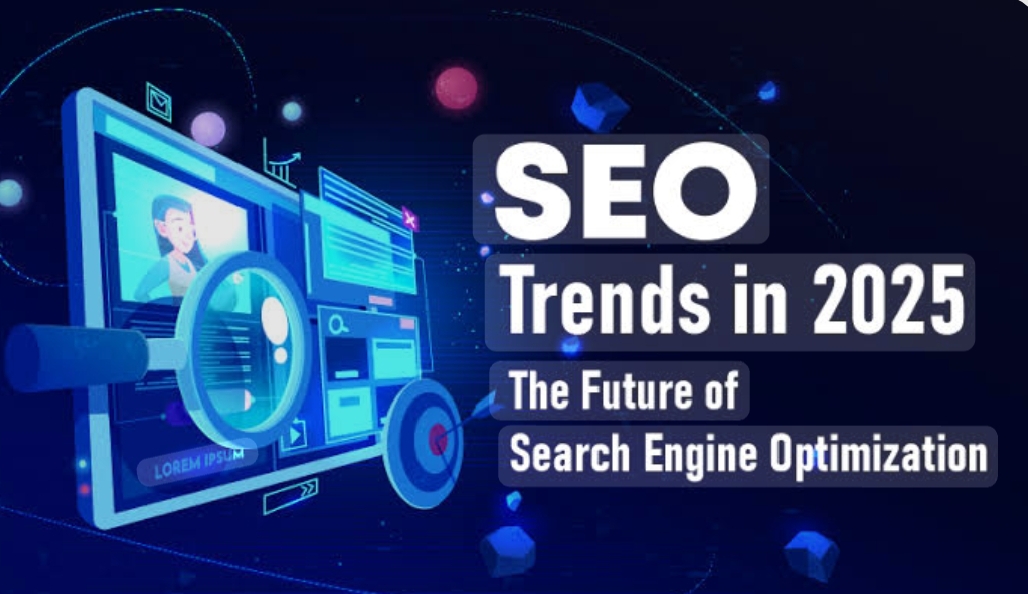
Discover the most important SEO Trends 2025 that every marketer must know—from AI-driven search and voice optimization to user experience signals and personalized search results.
Search engine optimization continues to evolve rapidly as technology, user behavior, and search engine algorithms change. Entering SEO 2025, marketers face a landscape shaped by artificial intelligence, new ranking signals, and growing user expectations for seamless online experiences. Understanding these changes is critical for businesses that want to stay competitive in digital marketing. This article highlights the key SEO Trends 2025 that every marketer needs to pay attention to.
AI-Powered Search Takes Center Stage
Generative Search Experiences (GSE)
AI-generated search results are becoming the norm, offering users summarized insights without requiring multiple clicks. Google and other search engines now rely on generative models to answer queries in a more conversational and contextual way. Marketers must optimize for AI summaries by focusing on clarity, structured content, and authoritative information.
Smarter Content Understanding
AI can now understand intent, tone, and topical depth more accurately. Keyword stuffing is obsolete—content must be helpful, well-structured, and contextually rich. E-E-A-T (Experience, Expertise, Authoritativeness, Trustworthiness) remains essential.
Rise of Voice and Multimodal Search
Voice Search Optimization
As smart speakers and voice assistants grow more advanced, voice search queries have increased dramatically. SEO 2025 requires focusing on natural language, long-tail queries, and conversational phrasing.
Visual and Image-Based Search
Platforms like Google Lens and Pinterest Lens are expanding multimodal search capabilities. Brands must optimize images with descriptive alt text, high-quality visuals, and structured metadata to appear in visual search results.
User Experience as a Ranking Powerhouse
Core Web Vitals Evolve
Page speed, stability, and responsiveness remain crucial, but Google is adding more UX-focused metrics. Seamless mobile performance, reduced clutter, and intuitive navigation are more important than ever.
Search Intent and On-Page Engagement
Search engines track how users interact with pages. High bounce rates, low engagement time, and poor readability can negatively impact rankings. Content must match user intent precisely—whether informational, transactional, or navigational.
Personalized Search Results and First-Party Data
Tailored Results Based on User History
Search results in 2025 are increasingly personalized. AI tools analyze user behavior, preferences, and location to deliver highly relevant results. Marketers must segment audiences and create tailored content strategies.
Privacy-First SEO in a Cookie-Less World
With third-party cookies nearly extinct, first-party data becomes vital. Websites must prioritize collecting user data ethically through newsletters, memberships, and interactive tools.
Content Diversification Becomes Essential
Multi-Format Content Wins
In 2025, top-ranking content blends text, video, infographics, and interactive tools. Google prioritizes pages that deliver information in multiple engaging formats.
Topic Authority Over Single Keywords
Building deep topical authority is more valuable than targeting isolated keywords. Clusters, pillar pages, and long-form guides dominate SEO strategies.
As we enter SEO 2025, marketers must adopt smarter, AI-focused strategies that prioritize user experience, personalization, and multimodal content. Understanding how search evolves—through AI-generated results, voice and visual search, and enhanced UX signals—will help businesses stay visible and competitive. The brands that adapt quickly will lead the digital landscape in 2025 and beyond.
Leave a Reply